

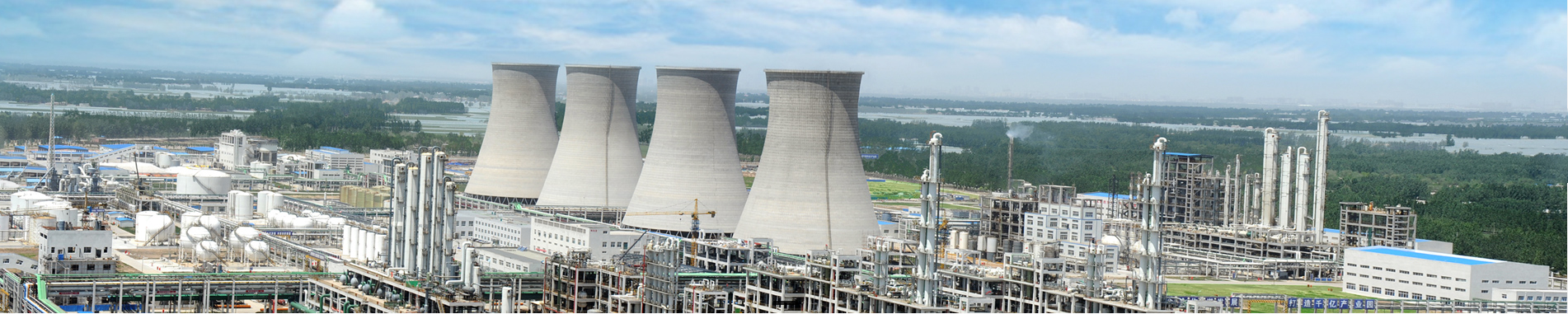
The Role of Dodecylphenol in Advancing Chemical Technology
The Role of Dodecylphenol in Advancing Chemical Technology
Table of Contents
- Introduction to Dodecylphenol
- Chemical Properties and Structure
- Manufacturing Process of Dodecylphenol
- Applications in Industrial Chemicals
- Role in Surfactants and Emulsifiers
- Environmental Considerations and Regulations
- Future Outlook for Dodecylphenol
- Frequently Asked Questions
- Conclusion
Introduction to Dodecylphenol
Dodecylphenol (DP) is a versatile organic compound that has garnered attention in various sectors of the chemical industry. As a member of the phenolic family, it is known for its unique properties that make it suitable for a range of applications. This compound consists of a dodecyl group attached to a phenol structure, giving it both hydrophobic and hydrophilic characteristics. This dual nature is what makes dodecylphenol an essential component in advancing chemical technology.
Chemical Properties and Structure
Dodecylphenol features a long hydrocarbon chain, which significantly influences its chemical properties. The molecular formula of dodecylphenol is C15H24O, and its structural formula reveals the dodecyl group (C12H25) linked to the phenolic ring. This configuration results in a compound that is not only stable but also has a high boiling point and solubility in organic solvents.
One of the standout characteristics of dodecylphenol is its ability to function as an effective surfactant. Its amphiphilic nature allows it to reduce surface tension and facilitate the mixing of oil and water, making it invaluable in various formulations. Additionally, dodecylphenol exhibits antioxidant properties, which can enhance the stability of products in which it is incorporated.
Manufacturing Process of Dodecylphenol
The production of dodecylphenol typically involves the alkylation of phenol with dodecyl bromide or dodecyl chloride in the presence of a catalyst, such as sodium hydroxide. This process results in the formation of dodecylphenol through a nucleophilic substitution reaction. The reaction conditions, including temperature and pressure, are carefully controlled to optimize yield and purity.
Once produced, dodecylphenol undergoes purification processes, such as distillation or crystallization, to remove any unreacted materials and by-products. The resulting product is a high-purity dodecylphenol that can be utilized in various applications across the chemical industry.
Applications in Industrial Chemicals
Dodecylphenol plays a crucial role in the formulation of various industrial chemicals. Its primary applications are found in the production of:
1. Surfactants
Dodecylphenol is a key ingredient in the manufacturing of nonionic surfactants, which are widely used in detergents, cleaners, and emulsifiers. These surfactants exhibit excellent wetting, foaming, and emulsifying properties, making them ideal for formulations that require effective cleaning and dispersion.
2. Antioxidants
In polymer production, dodecylphenol is employed as an antioxidant to enhance the stability of rubber, plastics, and other materials. Its ability to scavenge free radicals helps prevent oxidative degradation, ensuring that end products maintain their integrity over time.
3. Lubricants
Dodecylphenol is also used in the formulation of high-performance lubricants. Its surfactant properties help reduce friction and wear in engines and machinery, contributing to improved efficiency and longevity.
4. Coatings and Adhesives
In the coatings and adhesives industry, dodecylphenol serves as a reactive diluent, enhancing the performance of epoxy and polyurethane formulations. It improves adhesion, flexibility, and chemical resistance, making coatings more durable and effective.
Role in Surfactants and Emulsifiers
The amphiphilic nature of dodecylphenol is instrumental in its role as a surfactant and emulsifier. Surfactants are compounds that lower the surface tension between two liquids or a liquid and a solid, which is critical in various applications, including cleaning and formulation sciences.
Advantages of Dodecylphenol in Surfactants
- **Enhanced Performance:** Dodecylphenol-based surfactants exhibit superior performance compared to traditional surfactants, making them effective in low-concentration applications.
- **Stability:** These surfactants are stable across a wide range of temperatures and pH levels, allowing for versatility in formulations.
- **Eco-Friendly Options:** Some dodecylphenol derivatives can be synthesized to meet environmental regulations, providing sustainable alternatives without sacrificing performance.
Environmental Considerations and Regulations
While dodecylphenol offers numerous benefits, its environmental impact is a growing concern. Regulatory bodies are increasingly scrutinizing its use due to potential toxicity to aquatic life and persistent nature in the environment. Consequently, manufacturers are urged to adhere to strict guidelines regarding the formulation and disposal of products containing dodecylphenol.
Regulatory Framework
- **EPA Regulations:** The Environmental Protection Agency (EPA) monitors the use of dodecylphenol under the Toxic Substances Control Act (TSCA) to mitigate its environmental impact.
- **REACH Compliance:** In Europe, the Registration, Evaluation, Authorisation and Restriction of Chemicals (REACH) regulation mandates that companies register dodecylphenol and disclose its properties, uses, and risks.
Future Outlook for Dodecylphenol
As the chemical industry evolves, the demand for dodecylphenol is expected to grow, driven by advancements in formulation technologies and the increasing need for high-performance materials. Researchers are exploring greener synthesis methods and alternative derivatives to minimize environmental impacts while maintaining efficacy.
Additionally, the trend towards sustainability has led to the exploration of dodecylphenol's role in bio-based surfactants, which could serve as eco-friendly alternatives in various applications. Innovations in this area could significantly boost the compound's relevance in future chemical technologies.
Frequently Asked Questions
1. What is dodecylphenol used for?
Dodecylphenol is primarily used in the production of surfactants, antioxidants, lubricants, and coatings. It enhances the performance and stability of various industrial applications.
2. Is dodecylphenol environmentally safe?
Dodecylphenol raises environmental concerns due to its potential toxicity to aquatic life. Regulatory measures are in place to ensure its use aligns with safety standards.
3. How is dodecylphenol synthesized?
Dodecylphenol is synthesized through the alkylation of phenol with dodecyl halides, typically in the presence of a catalyst, followed by purification processes.
4. Can dodecylphenol be used in cosmetics?
While dodecylphenol has applications in industrial formulations, its use in cosmetics is limited due to safety concerns regarding skin irritation and potential toxicity.
5. What are the future trends for dodecylphenol in the chemical industry?
The future of dodecylphenol is likely to involve greener synthesis methods and a focus on bio-based derivatives to meet sustainability goals while ensuring high performance in chemical applications.
Conclusion
Dodecylphenol stands as a cornerstone in the advancement of chemical technology, offering a multitude of benefits across various industrial applications. Its unique properties and versatility make it an invaluable asset in formulating surfactants, antioxidants, lubricants, and more. As the industry continues to evolve, addressing environmental concerns and promoting sustainable practices will be paramount in ensuring that dodecylphenol remains a relevant and responsible choice in the chemical landscape. Understanding its role and potential will allow professionals to leverage this compound to innovate and enhance their products, paving the way for a more advanced and sustainable future in chemical technology.
Contact Us:
Telephone:+86-21-62570270;52699951
Mobile:+86-13917686115
Fax:+86-21-62570268
Email: sales@beyondindustriesgroup.com
SKYPE: beyondindustries
QQ: 2355354500
Website: www.beyondindustriesgroup.com
Online Message:
Copyright © 2025 Beyond Limited All Rights Reserved
Copyright © 2025 Beyond Industries (China) Limited All Rights Reserved