

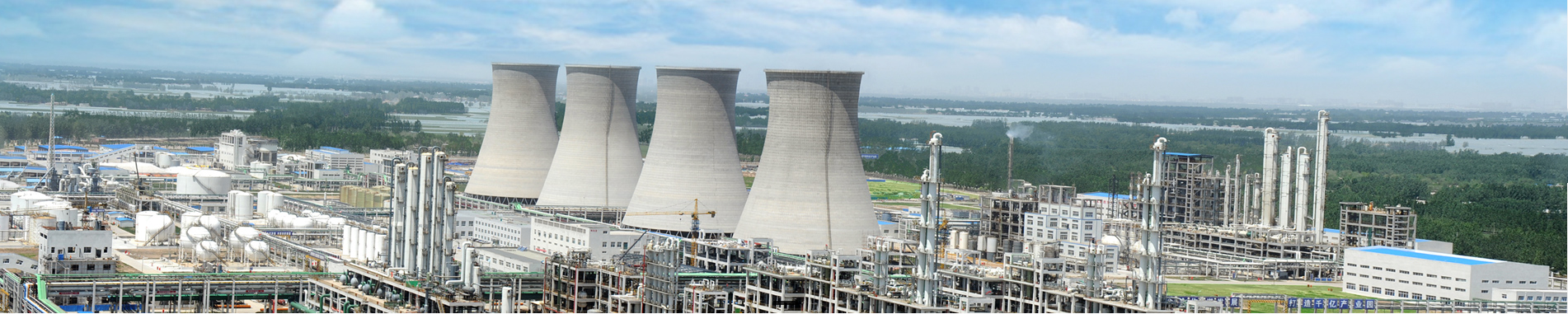
Exploring the Versatile Applications of n-Pentadecane in the Chemical Industry
Exploring the Versatile Applications of n-Pentadecane in the Chemical Industry
Table of Contents
1. Introduction to n-Pentadecane
2. Chemical Properties of n-Pentadecane
3. Industrial Applications of n-Pentadecane
- 3.1 n-Pentadecane in Fuel Production
- 3.2 Role in Solvent Applications
- 3.3 Use in Chemical Synthesis
- 3.4 Application in Personal Care Products
4. Environmental Considerations of n-Pentadecane
5. Safety and Handling of n-Pentadecane
6. Future Prospects of n-Pentadecane in Industry
7. FAQs on n-Pentadecane
8. Conclusion
Introduction to n-Pentadecane
n-Pentadecane, a straight-chain alkane with the chemical formula C15H32, has garnered attention in the chemical industry due to its diverse applications. This saturated hydrocarbon is a crucial component in various industrial processes, thanks to its unique properties and versatility. In this article, we will explore the multifaceted uses of n-Pentadecane, highlighting its significance in both traditional and emerging applications in the chemical sector.
Chemical Properties of n-Pentadecane
n-Pentadecane is known for its high boiling point of approximately 316 °C and low volatility, making it a stable compound under standard conditions. Its molecular structure contributes to its hydrophobic nature, which influences its behavior in chemical reactions and industrial applications. Furthermore, n-Pentadecane exhibits excellent thermal stability and resistance to oxidation, enhancing its suitability for various processes.
Industrial Applications of n-Pentadecane
The applications of n-Pentadecane extend across numerous sectors within the chemical industry. Below are some of the most notable uses that underline its importance.
n-Pentadecane in Fuel Production
One of the primary applications of n-Pentadecane lies in fuel production. It serves as a primary component of jet fuels and other hydrocarbon-based fuels. The compound's high energy density and favorable combustion properties make it an ideal candidate for enhancing fuel performance. Additionally, it is utilized in formulating gasoline blends to meet specific regulatory requirements aimed at reducing carbon emissions.
Role in Solvent Applications
n-Pentadecane also functions as an excellent solvent for various chemical reactions and processes. Its solubility characteristics allow it to dissolve a wide range of organic compounds, making it valuable in laboratory settings and industrial applications. Moreover, it is commonly employed in the cleaning and degreasing of metal parts, where its effective solvent properties can efficiently remove contaminants without leaving residues.
Use in Chemical Synthesis
In chemical synthesis, n-Pentadecane is utilized as a reactant or a carrier for catalysts in several reactions. Its inert nature allows it to act as a stable medium for various chemical transformations, facilitating the production of complex molecules. This characteristic is particularly beneficial in the pharmaceutical industry, where n-Pentadecane may assist in the creation of diverse active pharmaceutical ingredients (APIs).
Application in Personal Care Products
The personal care industry also harnesses the properties of n-Pentadecane. It can be found in formulations for cosmetics and skincare products, where it acts as an emollient, providing a smooth texture and enhancing the sensory experience. Moreover, its hydrophobic nature allows it to form protective barriers on the skin, improving moisture retention and overall skin health.
Environmental Considerations of n-Pentadecane
While n-Pentadecane offers numerous advantages, it is essential to consider its environmental impact. Being a hydrocarbon, its production and combustion can lead to the release of greenhouse gases. Therefore, ongoing research aims to develop sustainable alternatives or methods to mitigate the ecological footprint associated with its use.
Efforts in the chemical industry are focusing on enhancing the efficiency of n-Pentadecane's applications while minimizing waste and emissions. Innovations in catalytic processes and bio-based production methods are also being explored to reduce reliance on fossil fuels.
Safety and Handling of n-Pentadecane
Safety is paramount when dealing with n-Pentadecane. Proper handling procedures must be established to minimize risks associated with exposure. It is crucial to use personal protective equipment (PPE) when handling this compound, including gloves, goggles, and protective clothing. Additionally, ensuring adequate ventilation in workspaces can significantly reduce inhalation risks.
In case of spills or leaks, immediate containment procedures should be implemented to prevent environmental contamination. Regular training for personnel handling n-Pentadecane will promote safe practices and awareness of potential hazards.
Future Prospects of n-Pentadecane in Industry
The future of n-Pentadecane in the chemical industry appears promising, given its adaptability and the ongoing advancements in technology. As industries strive to develop more sustainable and efficient processes, n-Pentadecane's role may evolve to meet these demands effectively. Innovations in catalytic processes, green chemistry, and alternative synthesis methods could enhance its applications while reducing environmental impact.
Furthermore, as the demand for high-performance fuels and solvents continues to rise, n-Pentadecane may play a vital role in meeting these needs while aligning with regulatory frameworks aimed at sustainability.
FAQs on n-Pentadecane
1. What is n-Pentadecane?
n-Pentadecane is a straight-chain alkane hydrocarbon with the chemical formula C15H32, widely used in various industrial applications.
2. What are the primary uses of n-Pentadecane?
The primary uses of n-Pentadecane include fuel production, solvent applications, chemical synthesis, and personal care products.
3. Is n-Pentadecane safe to handle?
While n-Pentadecane can be handled safely with proper precautions, it is essential to use appropriate PPE and follow safety guidelines to minimize exposure risks.
4. What environmental considerations are associated with n-Pentadecane?
The environmental impact primarily involves greenhouse gas emissions from its production and combustion. Efforts are underway to develop more sustainable practices to mitigate these effects.
5. What are the future prospects for n-Pentadecane in the industry?
The future prospects for n-Pentadecane are promising, with potential advancements in sustainable practices and innovations aimed at enhancing its applications in various sectors.
Conclusion
In conclusion, n-Pentadecane stands out as a versatile compound with significant applications across the chemical industry. Its unique properties enable it to serve as an essential component in fuel production, solvent applications, chemical synthesis, and personal care products. While there are environmental considerations to address, the ongoing innovations in sustainability and efficiency present exciting opportunities for n-Pentadecane's future. By embracing these advancements, the chemical industry can continue to leverage the benefits of n-Pentadecane while contributing to a more sustainable environment.
Contact Us:
Telephone:+86-21-62570270;52699951
Mobile:+86-13917686115
Fax:+86-21-62570268
Email: sales@beyondindustriesgroup.com
SKYPE: beyondindustries
QQ: 2355354500
Website: www.beyondindustriesgroup.com
Online Message:
Copyright © 2025 Beyond Limited All Rights Reserved
Copyright © 2025 Beyond Industries (China) Limited All Rights Reserved